
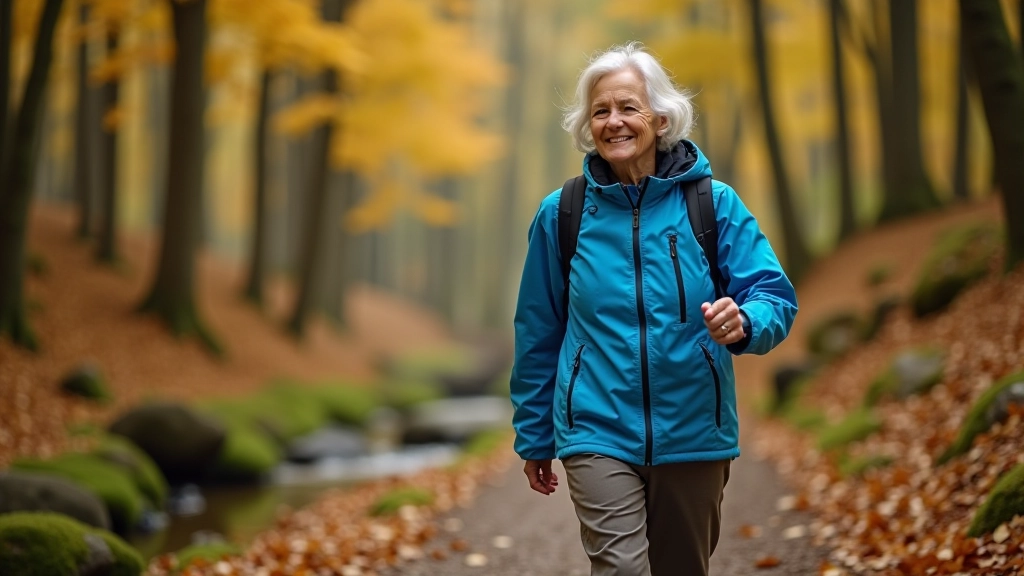
Preparing for Your First River Valley Walk
Learn what gear you'll need, how to train your legs properly, and why pacing matters more than speed on these trails.
Read GuideExplore Latvia's most beautiful trails at your own pace. The Venta waterfall and Kuldīga brick bridge await.
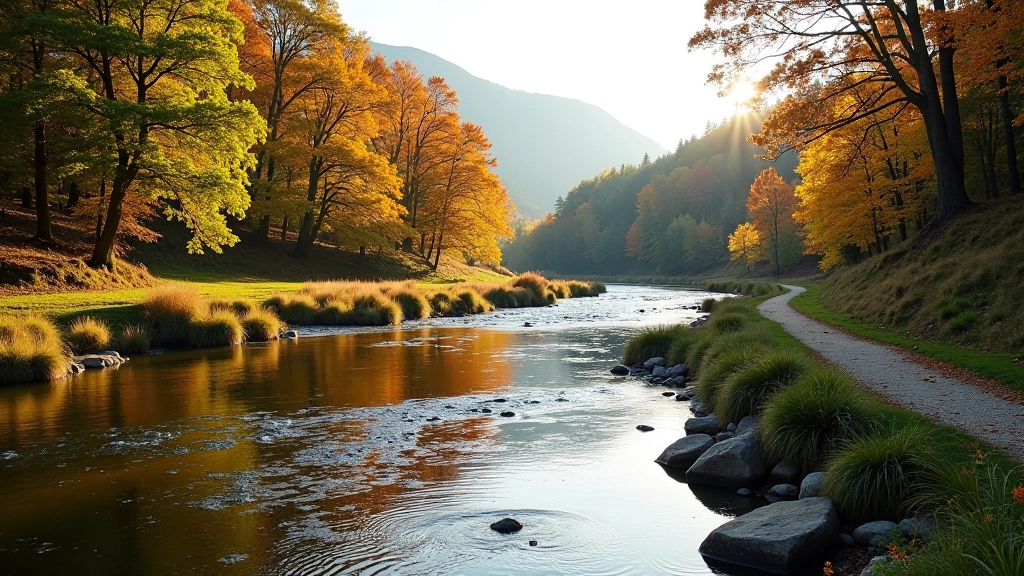
We've carefully selected the Venta waterfall trail and the Kuldīga brick bridge route because they're genuinely accessible for older hikers. Gentle elevation changes, well-maintained paths, and stunning natural beauty. These aren't rushed experiences — they're designed for pacing, rest stops, and actually enjoying the scenery.
Both trails sit in the Gauja National Park area, where the landscape shifts between dense forest and open riverbanks. The paths are flat enough that you won't be fighting gravity, but scenic enough that every step feels rewarding. Most hikers complete either route in 3-4 hours with breaks, which gives you time to notice the details.
Learn more about our approach
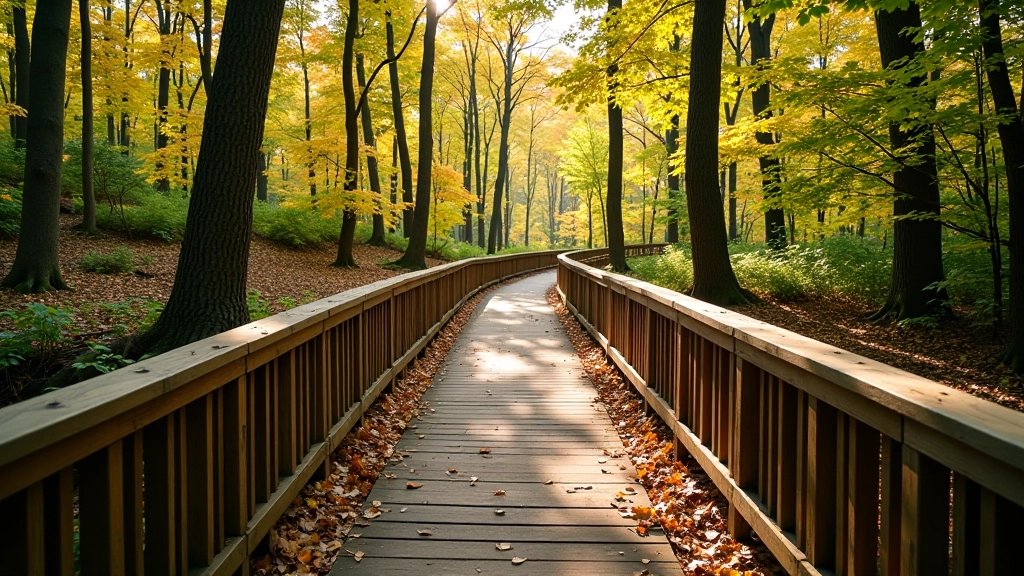
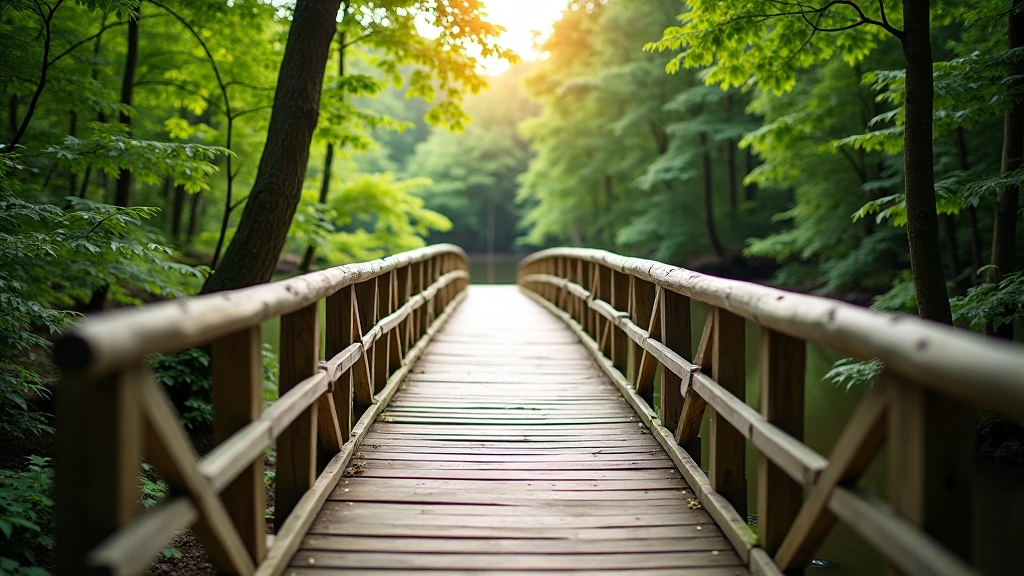
Both trails are 4-6 kilometers round trip. That's long enough to feel like a real hike, short enough that you're not exhausted. Most people finish in 3-4 hours with breaks, so you're back with time to rest and reflect.
The Venta waterfall route stays relatively flat. The brick bridge trail has gentle slopes. Neither path demands serious climbing or steep descents. You'll notice the landscape changing, but your knees won't suffer for it.
Signs, painted blazes, and clear paths mean you won't get lost or second-guessing yourself. The trails are maintained regularly. It's not a wilderness navigation challenge — it's a peaceful walk through beautiful country.
The Venta waterfall is Latvia's widest waterfall. The brick bridge at Kuldīga is a 19th-century engineering marvel. You're not just walking for exercise — you're actually going somewhere with history and natural significance.
A simple roadmap from first thought to finishing your hike.
Be honest about what you can handle. Can you walk 2 kilometers without stopping? That's your baseline. These trails are doable for most active seniors, but not for people who struggle with short distances.
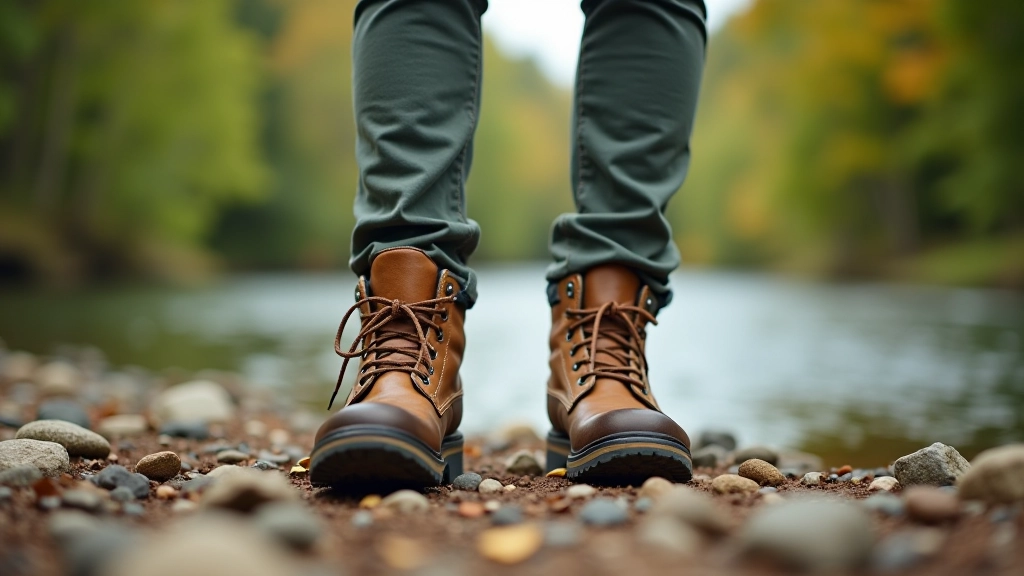
Hiking boots with ankle support aren't optional. Your regular walking shoes will leave you with sore feet and potential ankle issues. Invest in decent boots — they make the difference between enjoying yourself and suffering.
Spend 2-3 weeks doing 2-3 kilometer walks locally. Build up your endurance gradually. This prevents the shock of suddenly doing 5 kilometers on unfamiliar terrain.
Start early — 8 or 9 AM is ideal. This gives you the full day, avoids crowds, and means you're back before it gets dark. Summer months (May-September) are best for comfortable weather.
Water (1.5-2 liters), snacks, a basic first aid kit, and weather-appropriate clothing. You won't need technical gear, but you do need to be prepared for the weather and your body's needs.
There's no finish line here. Walk at your pace, take breaks whenever you need them, sit by the river and watch the water. The whole point is enjoying the experience, not racing through it.
We work with organizations dedicated to outdoor access for seniors.
They're graded as easy to moderate. Minimal elevation, well-maintained paths, and manageable distances. If you can walk 2-3 kilometers comfortably, you're ready.
May through September offers the best weather. Summer has longer daylight hours. Spring and early fall are less crowded and have pleasant temperatures. Winter isn't recommended — trails get icy.
Good hiking boots are essential. A walking stick or trekking poles help with balance and knee strain. A backpack with water and snacks. Beyond that, regular outdoor clothing suited to the weather.
Most of both trails are accessible for people who walk slowly or need frequent breaks. However, there are some sections with uneven terrain. If mobility is a serious concern, contact us — we can suggest the most accessible portions.
1.5 to 2 liters per person. Bring more in summer. There aren't reliable water sources on the trails, so don't depend on refilling along the way. Dehydration is a real risk.
Hiking with at least one other person is safer. If you do hike alone, tell someone where you're going and when you'll be back. Trails are well-marked and popular, so getting lost is unlikely.
Detailed walkthroughs for the trails you want to explore.
Learn what gear you'll need, how to train your legs properly, and why pacing matters more than speed on these trails.
Read Guide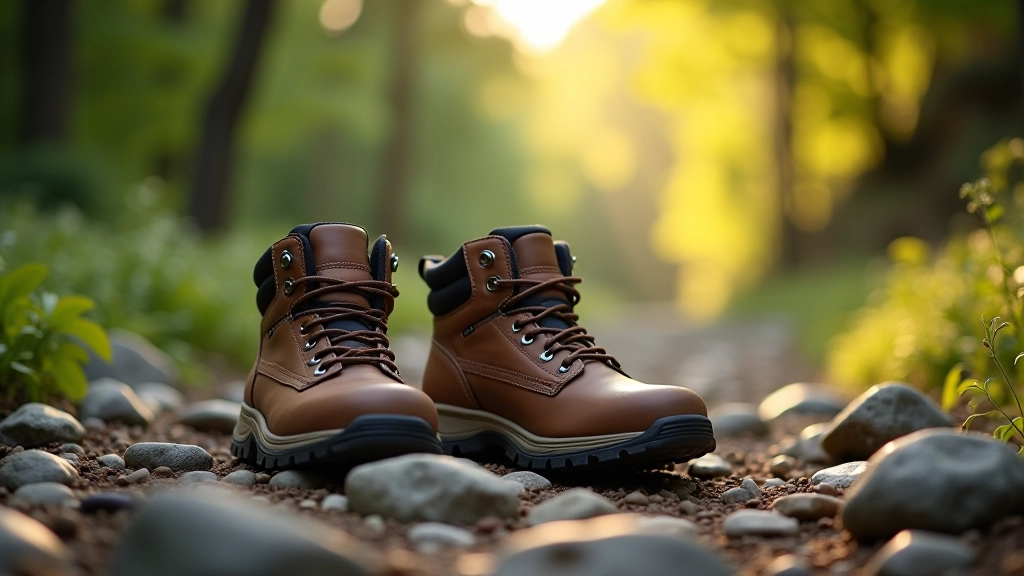
Choosing the right boots makes the difference between a pleasant walk and sore feet for days. We break down what actually matters in hiking footwear for seniors.
Read Guide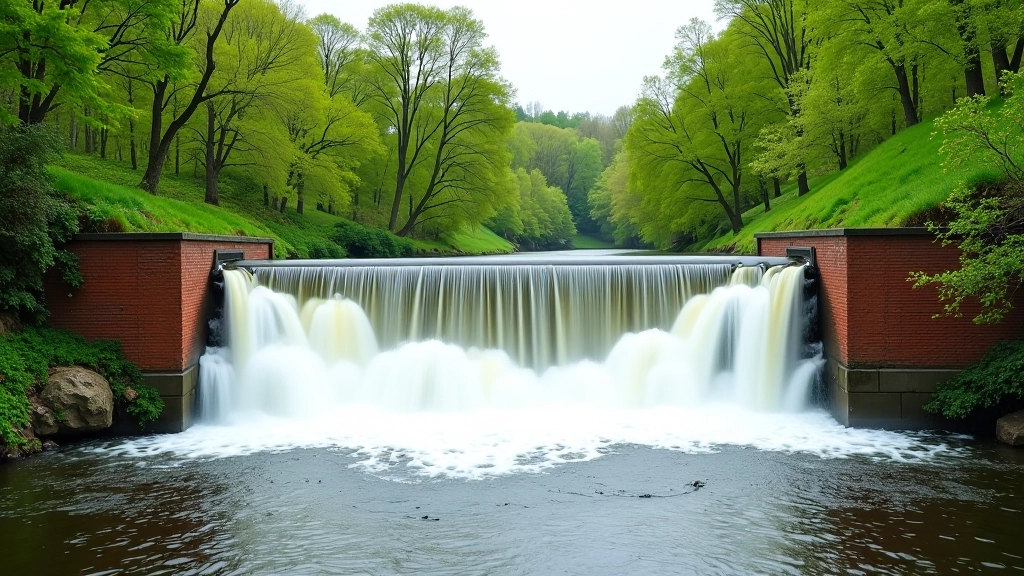
Everything you need to know about the Venta waterfall hike. Where to start, what to expect, and how to make the most of your time there.
Read Guide